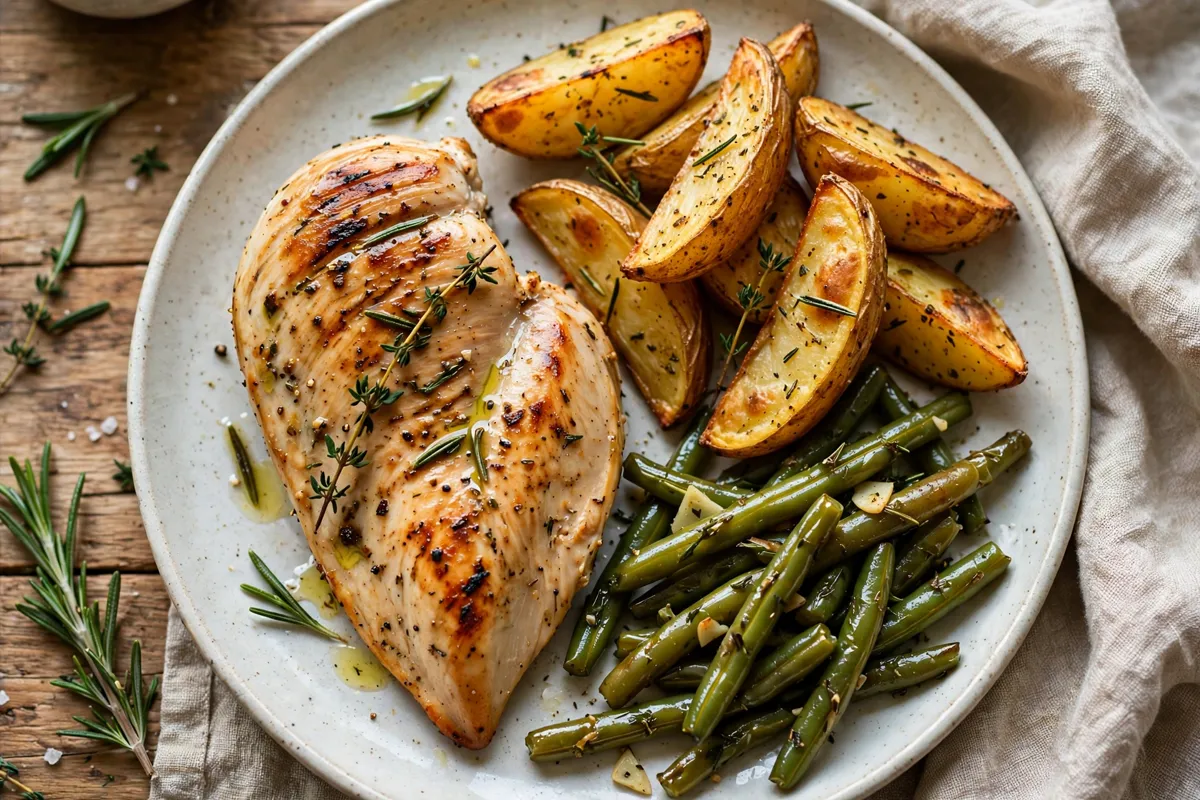
Chicken Protein Calculator: The Short Answer
Chicken breast has 256 milligrams of potassium per 100 grams, cooked roasted and meat only (USDA FDC ID 171477) — a solid mid-field figure among plain proteins, below sirloin steak's 393mg and salmon's 628mg per 100g but well above deli-style poultry products' diluted profiles. A 6-ounce breast portion derives to 435mg of potassium. This article prices the figure at real portions and sets it honestly in the protein field.
Potassium rarely headlines a chicken article, because chicken's fame is protein — 31.02g per 100g on the same entry. But eaters tracking electrolytes, blood-pressure-conscious readers and athletes replacing sweat losses all need the number, and they need it at the portions they actually eat. The full portion ladder is below, and every weight converts in the chicken protein calculator.
Short Answer
256mg potassium per 100g of chicken breast (FDC 171477). Derived by portion: about 73mg per ounce, about 218mg per 86g half breast, about 290mg per 4 ounces (113.4g), 435mg per 6 ounces (170.1g) and about 440mg per whole 172g reference breast. The stewed breast entry reads lower at 187mg per 100g; fried breast meat reads 276mg.
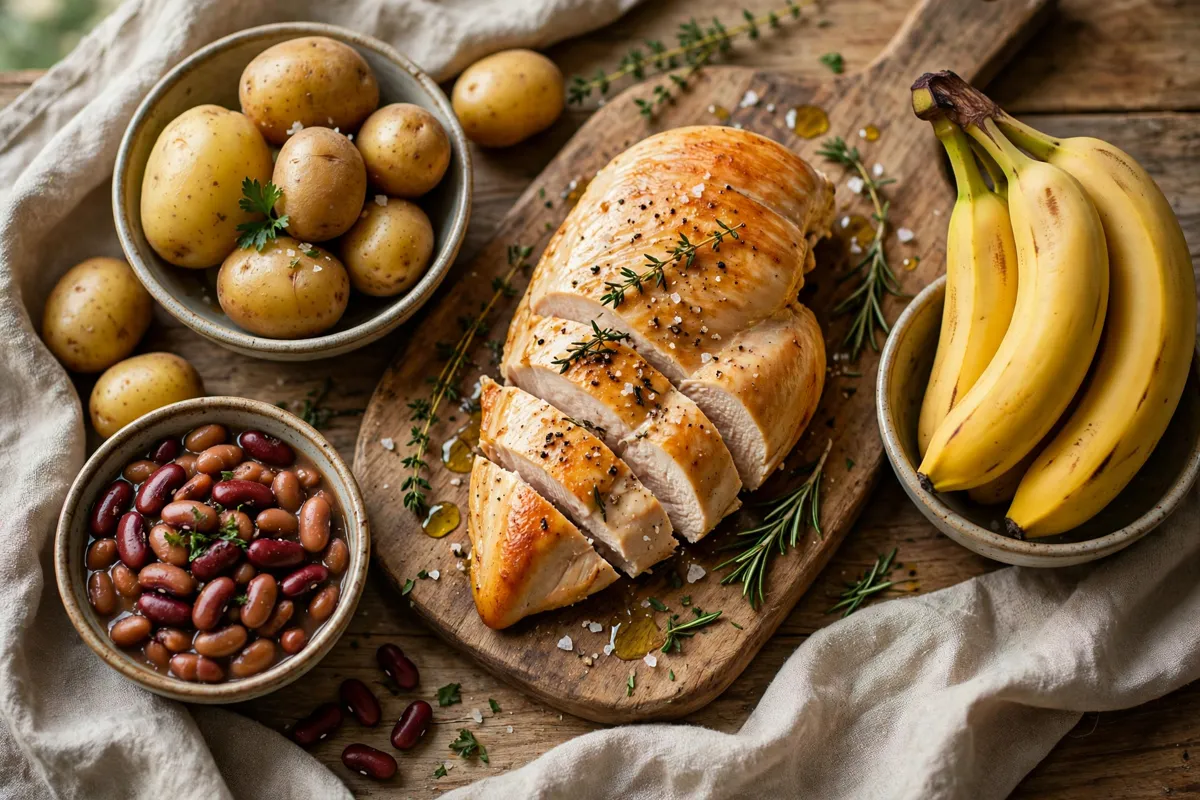
What Is the Potassium Figure at Real Portions?
The entry rate is 256mg per 100 grams — 2.56mg per gram — and portions scale linearly from it. One ounce (28.35g) derives to about 73mg (28.35 × 2.56). The USDA half-breast portion of 86 grams derives to about 220mg (86 × 2.56 = 220.2). Four ounces (113.4g) derive to about 290mg. Six ounces (170.1g) derive to 435mg — the figure the USDA log itself derives for this portion. A full pound (453.6g) derives to about 1,161mg (453.6 × 2.56), a number relevant only to batch cooking, where it usefully shows that a family-size tray of breast carries a meaningful share of a day's potassium before any side dish is counted.
Cooking method shifts the figure within the plain family. Stewed breast (FDC 171478) reads 187mg potassium per 100g — lower, because moist-heat cooking draws minerals into the cooking liquid, and the liquid is usually discarded. Fried breast meat without breading (171078) reads 276mg per 100g, the plain family's high figure. Roasted, the basis of this article, sits between at 256mg. The practical lesson is narrow but real: if potassium is a nutrient you are actively chasing, dry-heat cooking keeps more of it in the meat, and stewing sends part of it into a broth you would need to drink to keep. Does cooking method change chicken protein works the same method comparison for the protein column.
How Does Chicken Breast Compare With Other Foods on Potassium?
Per 100 grams, the logged plain-protein field runs: salmon 628mg (FDC 171998), sirloin steak 393mg (168634), ground beef crumbles 433mg (171794) — beef crumbles actually slot second — shrimp 259mg (175180), chicken breast 256mg, turkey breast 249mg (171496) and cod 244mg (171956). Chicken breast sits mid-field: respectable, unremarkable, and nearly tied with its poultry rival (256mg against turkey's 249mg — a 7mg gap that no portion size makes meaningful).
Beyond the protein aisle, the vegetable entries logged here reframe the contest entirely: cooked broccoli carries 293mg potassium per 100g (FDC 169967) and raw carrots 320mg per 100g (170393), both above chicken breast, while cooked black beans carry 355mg per 100g (173735). A chicken dinner's potassium is therefore set as much by its sides as by its centrepiece: a 6-ounce breast (435mg) served with a cup of broccoli (about 457mg at 156g × 2.93) roughly doubles its potassium from the vegetable alone. Potassium planning, like fiber planning, is a whole-plate exercise in which the meat is a contributor, not the carrier. The protein side of that same plate prices in how much protein is in 100 grams of chicken breast.
Who Actually Needs This Number?
Three groups ask this question with intent. Athletes and heavy sweaters replace potassium lost in training and often audit their anchor meals; for them, the honest finding is that chicken breast contributes steadily (435mg at a 6-ounce portion) but salmon, beef and the bean-and-vegetable sides contribute more per 100g. Readers managing blood pressure through diet look for potassium-rich patterns overall; again the plate, not the breast, is the unit that matters, and chicken's low sodium (74mg per 100g on the same entry) is arguably its stronger card in that pattern — a high potassium-to-sodium ratio across the meal, rather than a record potassium figure in one item.
The third group is readers told to limit potassium, for whom the same table reads in reverse: chicken breast at 256mg per 100g is a moderate choice, the stewed preparation at 187mg is the lowest plain option logged, and portion size is the control they actually hold. For all three groups the discipline is identical — work from the per-100g entry, scale by the weighed portion, and never borrow a figure from a different preparation. The chicken protein calculator keeps the plain roasted entry as its basis for exactly this reason.
How Does Potassium Fit Chicken Breast's Whole Profile?
On the single entry (FDC 171477), per 100 grams: 165 calories, 31.02g protein, 0g carbohydrate, 3.57g fat, 0g fiber, 74mg sodium, 256mg potassium. Potassium is the quiet line in that profile — never the reason chicken breast is chosen, never a reason to avoid it. Its ratio to sodium is the genuinely favourable figure: about 3.5mg of potassium for every 1mg of sodium in the plain meat, a balance that processed versions destroy from the sodium side (deli slices at 898mg sodium per 100g) rather than the potassium side.
That framing is the article's real answer. Chicken breast is a protein food with a decent potassium contribution and an excellent sodium profile; the foods that beat it on potassium — salmon at 628mg, beans at 355mg, carrots at 320mg per 100g — mostly belong on the same plate anyway. Asking one food to win every nutrient column is how distorted "superfood" rankings happen; the data here supports a plainer claim, that chicken breast holds its own in the potassium mid-field while leading the protein column outright.
How Much Potassium Do the Other Parts Carry?
The breast is not the bird's potassium leader — the dark parts edge it. Per 100 grams, meat only and roasted: thigh 269mg (FDC 172388), whole leg 269mg (172380), drumstick 256mg (172376) — a dead tie with the breast — and wing 210mg (172392), the family's low figure. Whole chicken meat-only reads 243mg per 100g (171054), the blend of all of them. Scaled to portions, a skinless thigh (116g) derives to about 312mg potassium (116 × 2.69) alongside its 28.7g protein, which makes the thigh a quietly better potassium buy per piece than the half breast's about 220mg — one more entry in the thigh's column of small, real advantages that never quite overturn the breast's protein crown. A reader choosing parts for potassium specifically should therefore reach for thigh or leg portions, accept their higher fat as the price, and let the breast keep the jobs it wins outright: protein density and low sodium.
Common Mistakes to Avoid
- Quoting the 6-ounce figure (435mg) as the per-100g figure — the entry rate is 256mg per 100g, and portions derive from it
- Borrowing potassium figures across preparations: stewed breast reads 187mg per 100g against roasted's 256mg
- Expecting chicken to lead the potassium table — salmon (628mg), ground beef (433mg) and sirloin (393mg) per 100g all sit above it
- Ignoring the sides: a cup of broccoli roughly matches a 6-ounce breast's potassium, so plate totals need both lines
- Treating deli poultry as equivalent — processing changes the mineral profile, and its sodium (898mg per 100g) reverses the plain meat's favourable ratio
Final Thoughts
Chicken breast has 256 milligrams of potassium per 100 grams — 435mg in a 6-ounce portion — a mid-field figure delivered alongside the dataset's leading protein density and a low 74mg sodium. It contributes to a plate's potassium without carrying it; beans, broccoli, carrots and salmon carry more. Weigh the portion, scale from 256, and convert any chicken weight in the chicken protein calculator.
People Also Ask
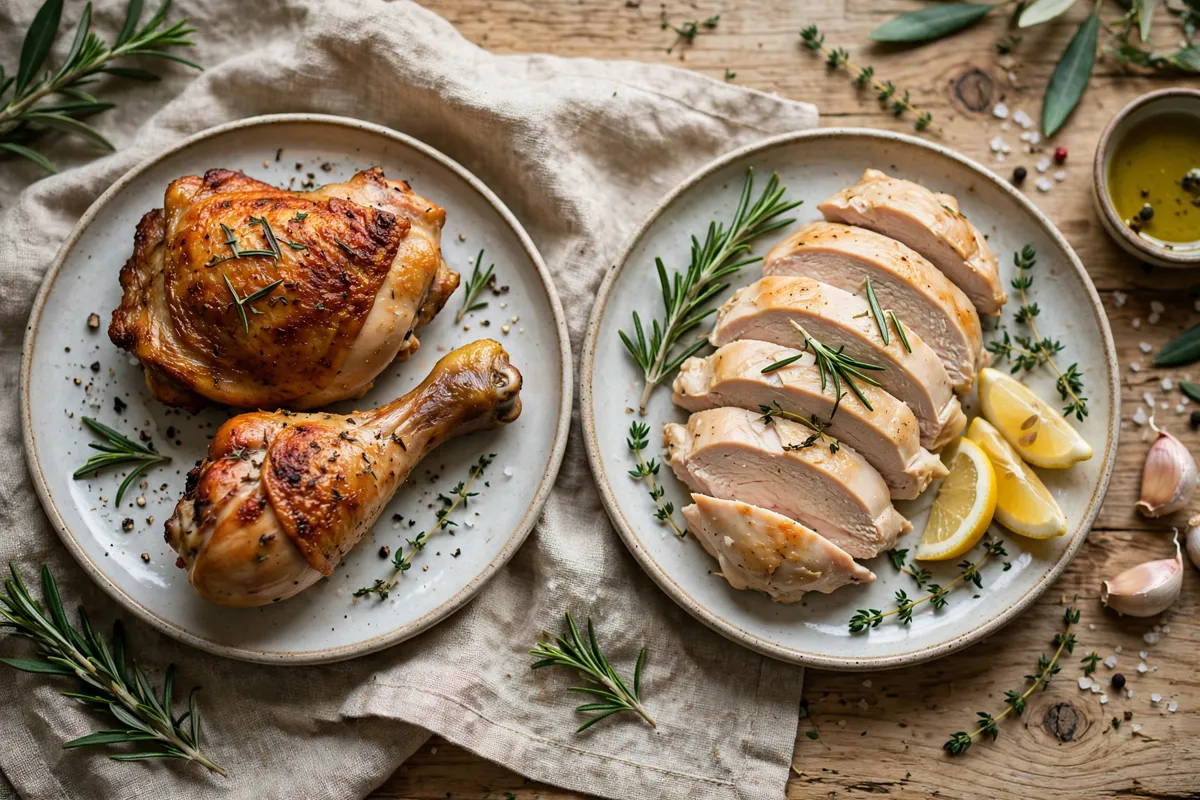
Are Chicken Thighs Good for You?
Yes — chicken thighs are good for you on the logged numbers: a skinless roasted thigh (USDA FDC ID 172388) carries 24. 76 grams of protein per 100 grams at 179 calories, with 8. 15g fat and 0g carbohydrate, and one 116-gram thigh delivers 28.
Is Baked Chicken Fattening?
No — baked chicken is not fattening on the verified numbers: plain baked chicken breast prices on USDA's roasted dry-heat entry (FDC ID 171477) at 165 calories per 100 grams with just 3. 57g fat, and a 4-ounce portion derives to 187. 1 calories with 35.
How Many Meals Should You Eat Per Day?
Most people do well on 3 meals a day, with 1–2 planned snacks if needed — the total matters more than the count. What decides your weight and energy is the day's total intake against your needs: three 650-calorie meals and three 400-calorie meals are different diets, whatever the meal frequency says.
How to Determine Daily Reference Intakes (DRIs)?
You determine your Daily Reference Intakes (DRIs) by finding your age, sex and life-stage group in the tables published by the National Academies and reading off the reference value set for that group for each nutrient. The published DRI values for vitamin C, for example, set the Recommended Dietary Allowance at 90 milligrams a day for adult men and 75 milligrams a day for adult women, so the answer is never one number for everybody.