Calorie Counter: The Short Answer
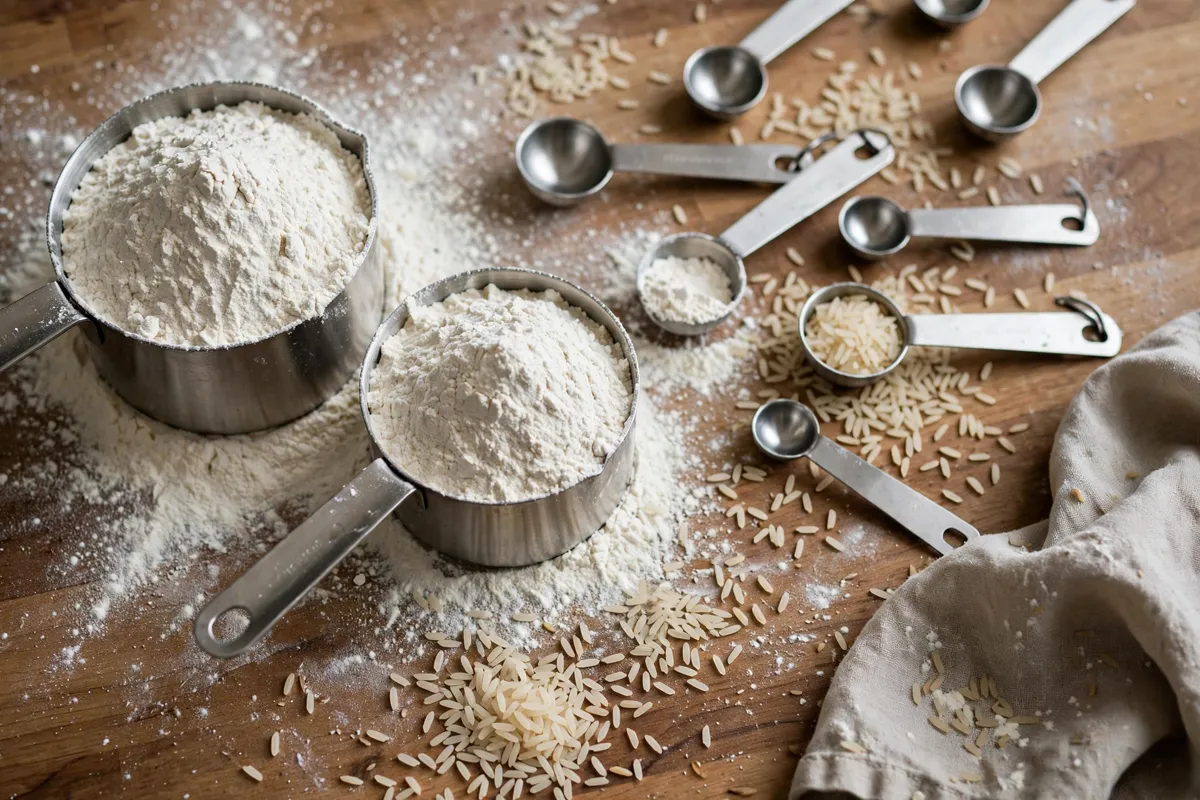
To convert a recipe means two jobs: scaling it to a different number of servings and converting its units — for example, doubling a 4-serving soup to 8 servings turns 1 cup of cooked rice (204 calories) into 2 cups and 200g of chicken into 400g, with every ingredient multiplied by the same factor of 2.
That is the angle of this article: recipe scaling plus unit conversion, the practical maths of making a recipe bigger, smaller, metric or imperial while keeping the dish — and its nutrition per serving — the same. Cooks need it constantly: a cake written for twelve must feed six, a borrowed American recipe is in cups while your scale reads grams, a slow-cooker favourite must fit a smaller pot. The good news is that one principle governs everything: multiply every ingredient by the same conversion factor and the dish is unchanged, only its size differs. The sections below give the scaling method, the unit conversions worth knowing, the ingredients that break the rule, and how to recalculate nutrition after a conversion using the calorie counter.
Short Answer
Find your factor first: target servings ÷ original servings. Multiply every ingredient amount by that factor — halving means × 0.5, doubling means × 2, going from 6 servings to 4 means × 0.67. Then convert units as needed: 1 cup = 240ml (16 tablespoons), 1 tablespoon = 3 teaspoons = 15ml, 1 ounce = about 28g, 1 pound = 454g, and Fahrenheit to Celsius by subtracting 32 and multiplying by 5/9. Nutrition per serving stays the same if the factor is applied evenly.
Step 1 — How Do You Scale a Recipe Up or Down Evenly?
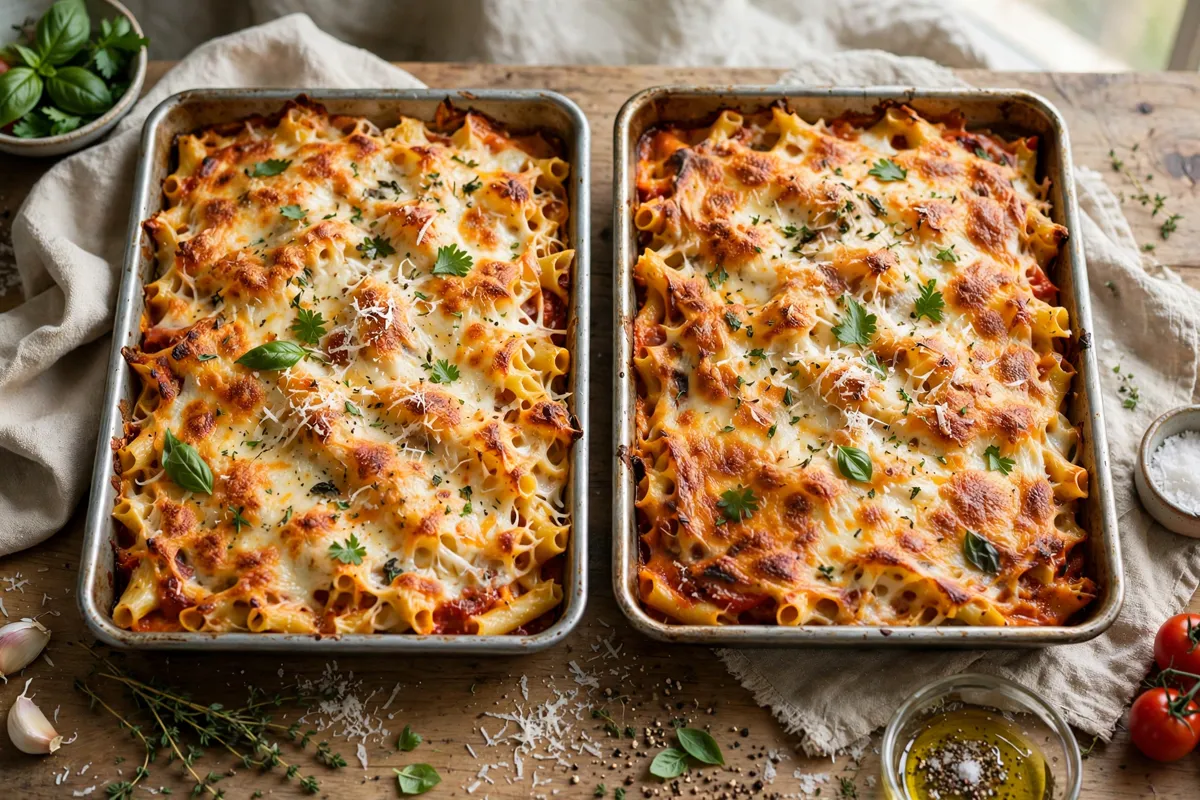
Write the factor at the top of the recipe and work down the ingredient list multiplying as you go. Example: a traybake written for 4 must serve 6 — factor 1.5. The 400g of cooked chicken breast becomes 600g, the 2 cups of cooked white rice become 3 cups, the 2 cups of broccoli become 3 cups, the tablespoon of oil becomes 1.5 tablespoons. Going down, a recipe for 8 serving 3 people uses a factor of 0.375 — awkward, which is why halving (× 0.5) and thirding (× 0.33) recipes are the common small conversions, often paired with freezing the extra portions instead of doing hard maths at the shop. Pan size scales too: a doubled batter needs a bigger tin or two tins, and a halved stew in the original deep pot spreads thin and reduces too fast. Depth, not just volume, is what cooking times actually respond to.
Step 2 — Which Unit Conversions Do You Need Most Often?
Volume: 1 cup = 16 tablespoons = 48 teaspoons = 240ml; 1 tablespoon = 15ml; 1 teaspoon = 5ml; a fluid ounce is about 30ml and a pint is 2 cups, about 473ml. Weight: 1 ounce = 28.35g (use 28g), 1 pound = 16 ounces = about 454g, and 100g is about 3.5 ounces. Weight-to-volume for staples, using this site's own serving definitions: oats are measured at half a cup dry for 154 calories, cooked white rice at 204 calories per cup, cooked brown rice at 216 per cup — cup weights vary by food, which is why a gram figure is always safer than a converted cup for anything calorie-dense. Temperature: 350°F is about 177°C (Gas Mark 4), 400°F is about 204°C, and the exact conversion is (°F − 32) × 5/9. For eggs and other counted items, scale the count and accept the rounding: 3 eggs halved is 1 egg plus a beaten half, or simply 2 small eggs — cooking tolerates this; baking ratios tolerate less. The companion skill of totalling the result is covered by calculating calories in a homemade smoothie.
Step 3 — Which Ingredients Do Not Scale in a Straight Line?
Most ingredients scale linearly; a few famous ones do not. Salt and strong spices: double the dish and start with about one and a half times the seasoning, then adjust — palates perceive seasoning less than proportionally, and you can add but not remove. Leavening in baking scales with the batter, but very large batches sometimes need slightly less baking soda per unit because of how it reacts across a deeper mix; for home doubling, keep it proportional and watch the first attempt. Chillies and raw garlic intensify out of proportion for many eaters — scale at about 75% and offer more at the table. Concentrated flavourings and extracts, such as vanilla, are potent: scale conservatively. Gelatine and setting agents scale with liquid volume strictly — do not improvise those. Evaporation is the hidden non-linearity: a doubled stew in the same pot loses a smaller fraction to evaporation, so start with slightly less added liquid than double and top up. None of this breaks the method; it just asks for tasting at the seasoning stage, which good cooks do anyway.
- Scale solids and liquids by the same factor — the dish stays identical, only bigger or smaller
- Seasoning, chilli and extracts: scale to about 75–90%, then adjust by tasting
- Convert cups to grams for calorie-dense foods; cup weights vary too much to trust
- Watch pan depth and evaporation when batches change size — times follow depth, not volume
Step 4 — How Do You Recalculate the Nutrition After Converting?
If you applied one factor evenly, nothing changes per serving — the converted recipe has the same calories per serving as the original, because every ingredient grew together. Recalculation is needed only when the conversion changed the recipe itself: a substituted ingredient, a rounded egg count, a cup-to-gram conversion where the gram amount you actually used differs from the cup you converted from. In those cases, re-total the batch from the amounts actually used and divide by the new serving count — the routine rehearsed in the calorie counting worked examples. Keep the record tidy: write the factor, the converted amounts and the per-serving figures on the recipe itself. A recipe card that says "×1.5 version: 600g chicken… about 295 calories per serving" saves every future cook from redoing the arithmetic, and it is exactly the habit that makes a personal recipe collection trustworthy.
Common Mistakes to Avoid
Mistake one is scaling some ingredients and forgetting others — usually the oil, the sauce or the cheese topping — which quietly changes the dish and its calories. Mistake two is converting cups of different foods as if a cup always weighs the same: a cup of flour, a cup of rice and a cup of grated cheese are three different weights, so convert per ingredient or work in grams from the start. Mistake three is doubling cooking time when doubling quantity — cooking time follows thickness and starting temperature far more than total volume, so test for doneness instead. Mistake four is scaling salt, chilli and extracts at the full factor and producing an inedible first attempt. Mistake five is rounding every ingredient generously upward during conversion, which compounds: five ingredients each rounded up 10% is a 10% bigger, richer dish pretending to be the same recipe.
Final Thoughts
Converting a recipe is disciplined multiplication: one factor for the whole ingredient list, honest unit conversions — 28g to the ounce, 240ml to the cup, (°F − 32) × 5/9 for the oven — a lighter hand with seasoning and heat, and a fresh nutrition total only when the conversion genuinely changed the food. Write the converted version down once and it serves you forever. Check its per-serving calories in the calorie counter before you file it.
People Also Ask
What Is the Best Calorie Tracker App?
The best calorie tracker app is the one with a large verified food database, barcode scanning and a free tier you can actually live on — because the app you keep using beats the "best" app you abandon in week two. For most people that means trying two or three leading trackers for a week each and keeping the fastest one.
Is MyFitnessPal Free?
Yes — MyFitnessPal is free to use at its basic level: you can create an account, log foods, scan many barcodes and track calories and macros without paying. A paid Premium subscription adds extra features, and because prices and the free–paid split change over time, check the current details on MyFitnessPal's own page before relying on them.
How to Make a Nutrition Chart?
To make a nutrition chart, decide the foods and the nutrients first, fix one consistent basis — per 100 grams or per serving, never a mix — and fill every cell from a verified source such as a product label or the USDA database. A good nutrition chart is really a small act of discipline: rows for foods, columns for the nutrients you care about (calories, protein, carbohydrate, fat, fibre, sodium), one unit system throughout, and a source noted for…
How to Find a Nutritionist?
To find a nutritionist you can trust, look for the credential first: a Registered Dietitian Nutritionist (RDN) — the licensed, degree-qualified professional whose title is legally protected — and search through the Academy of Nutrition and Dietetics' "Find a Nutrition Expert" directory, your doctor's referral list, or your insurer's provider network. Knowing how to find a nutritionist is mostly knowing how to tell the credentialed professional from the unregulated title, because in many places anyone may call themselves a "nutritionist,"…