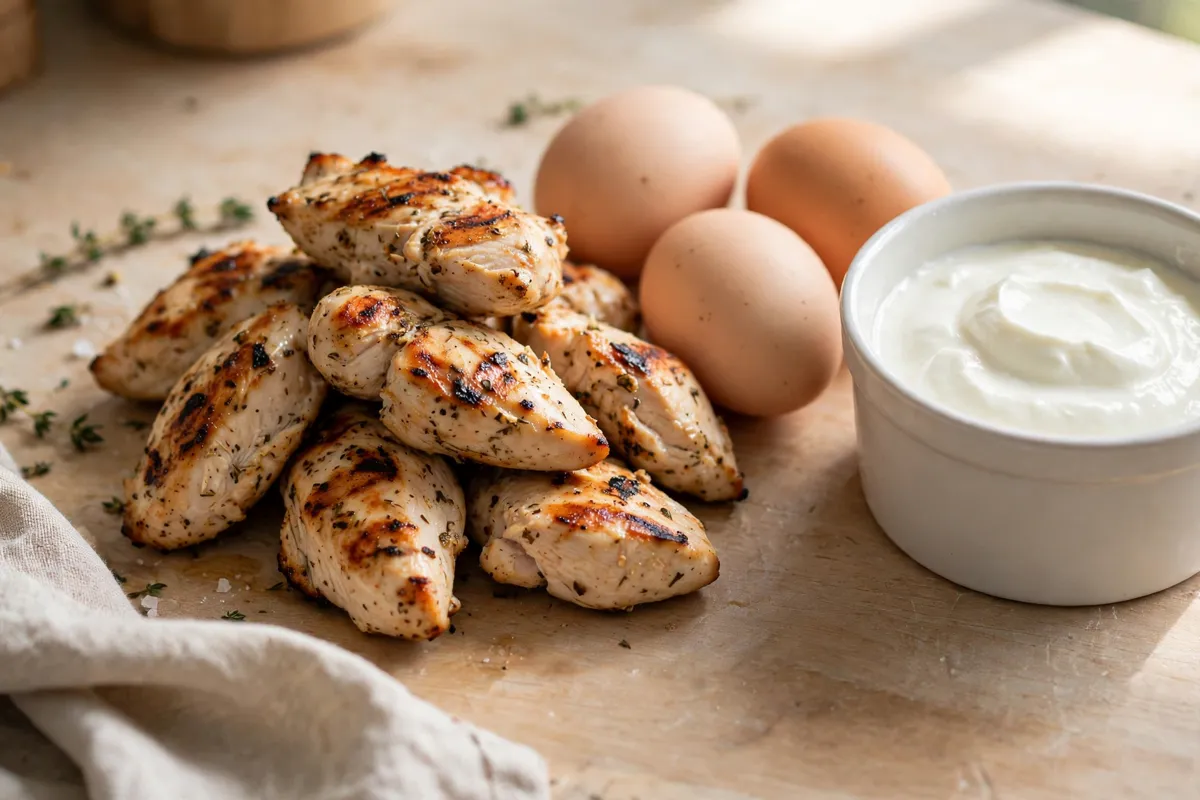
Grams to Calories Calculator: The Short Answer
One gram of protein provides 4 calories. That is the Atwater factor used on every nutrition label: multiply a food's protein grams by 4 and you have the calories that protein contributes. A portion with 25 grams of protein, for example, gets 100 of its calories from protein, whatever else the food contains.
The word "provides" is the heart of this question, and it is chosen carefully in this article. A gram of protein burned in a laboratory releases more than 4 calories — but your body is not a laboratory, and 4 is the honest figure for what protein actually delivers to you. This page explains where the 4 comes from, how to use it on real labels, and where it bends. The grams-to-calories calculator runs the same factor for you; here is the reasoning underneath it.
Short Answer
4 calories per gram of protein, as usable energy for the body. It is a rounded average from the Atwater system: protein's gross energy is about 5.6 calories per gram when fully burned, and after accounting for incomplete digestion and the nitrogen the body cannot burn, the delivered value settles at 4 — the figure regulators worldwide use on labels.
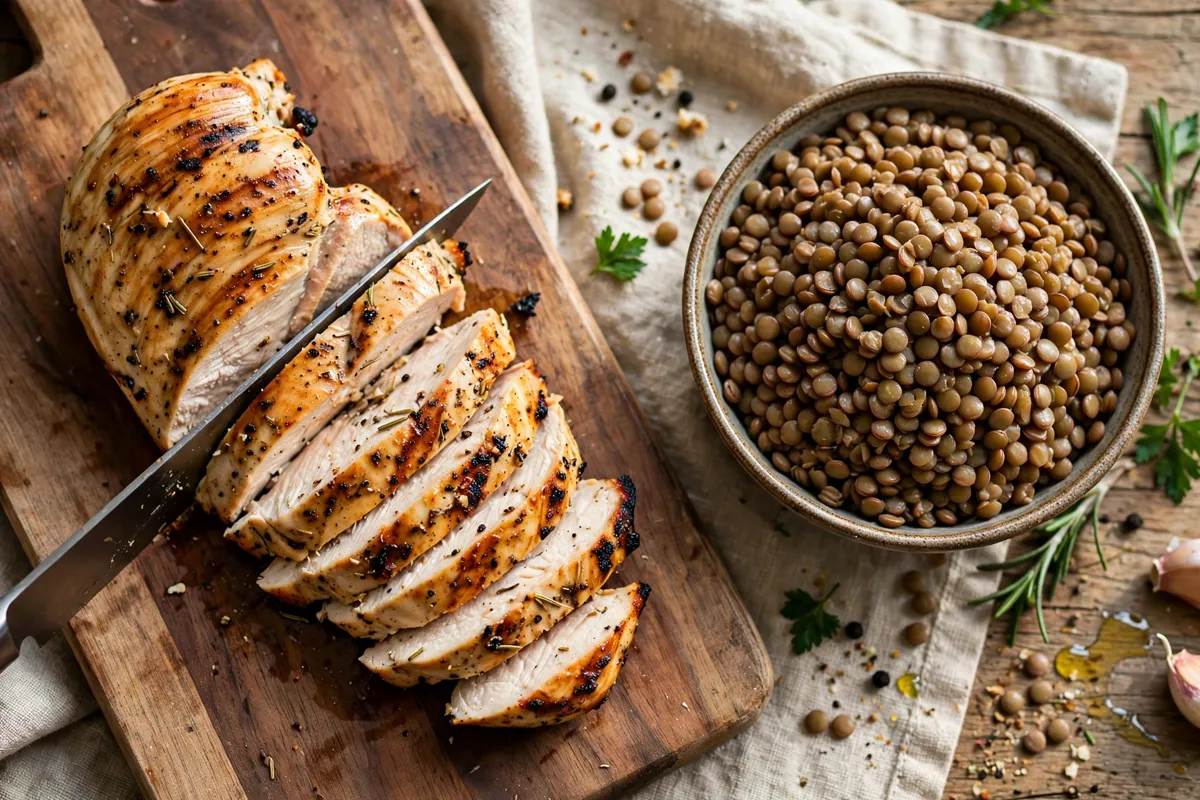
Why Does Protein Provide 4 Calories and Not Its Full Burn Value?
Protein is built from amino acids, and amino acids contain nitrogen. When protein burns in a calorimeter, the nitrogen oxidises along with everything else and the full energy — about 5.6 calories per gram — comes out as heat. Your body handles nitrogen differently: it cannot burn it for energy, so it strips the nitrogen off, converts it to urea and excretes it, and that discarded piece carries energy away with it. Roughly a calorie and a quarter per gram leaves in urea before the rest of the molecule is even touched.
Digestion takes a second, smaller cut. Protein digestion is efficient but not perfect — about 92 percent of a typical food's protein is absorbed — so a further fraction never reaches the bloodstream at all. Gross 5.6, minus the urea loss, minus the unabsorbed share, lands at almost exactly 4. Atwater measured this chain rather than guessing it, which is why his factor has survived more than a century of scrutiny. The companion numbers behave the same way: carbohydrate provides 4 per gram after its own small digestive losses, fat provides 9 after smaller losses still, and the full set is applied line by line in how to calculate total calories from macronutrients.
How Do You Use the 4-Calorie Factor on a Real Label?
Multiply and add — that is the entire technique, and it works on any product. Take a yogurt labelled with 17g protein, 6g carbohydrate and 0g fat: the protein provides 17 × 4 = 68 calories, the carbohydrate 6 × 4 = 24, the fat nothing, for a calculated 92 against a label that will say something close to 90 or 95 after rounding. Or take a chicken portion with 31g protein per 100g: protein alone provides 124 of its calories, before its small fat content adds the rest. If your multiplication and the printed total differ by more than about 10 percent, suspect fibre handling or rounding before suspecting the factor — why a label total may not match the 4-4-9 maths dissects those gaps case by case.
The reverse direction is just as useful. If a meal is 600 calories and you want a third of them from protein, that is 200 calories of protein, and 200 ÷ 4 = 50g to aim for. Diet targets stated in grams — 120g of protein a day, say — convert the same way: 120 × 4 = 480 of the day's calories are spoken for by protein before carbohydrate or fat enter the plan. The grams-to-calories calculator exists to make this two-way traffic effortless, but the factor itself never changes: protein grams and protein calories are always a multiplication by 4 apart.
- 10g protein = 40 calories from protein
- 25g protein = 100 calories from protein
- 50g protein = 200 calories from protein
- 100g protein = 400 calories from protein
Does Every Protein Provide Exactly 4 Calories per Gram?
As an average, yes; protein by protein, nearly. The amino-acid mix differs slightly between foods, and with it the exact energy — which is why refined systems carry specific factors for specific food groups that drift a few percent around 4, higher for some proteins, lower for others. Labels are permitted to use either the general 4 or approved specific factors, and the difference on a real portion is a handful of calories at most.
Digestibility creates the bigger individual spread. Protein from eggs, milk and meat is absorbed at the top of the range; protein from some plant sources, packaged with fibre and cell walls that resist breakdown, is absorbed less completely, so its delivered energy per gram can sit modestly below 4. This is one honest reason plant-based eaters are often advised slightly higher protein targets. None of it overturns the factor: 4 remains the right number for planning, for labels and for comparing foods, and the deviations are smaller than the error in anyone's portion estimate. Precision beyond 4 belongs to research diets and metabolic wards, not kitchens.
What Does Protein's 4 Mean Next to Carbohydrate's 4 and Fat's 9?
It means protein and carbohydrate are equals as fuel and opposites in every other respect. Gram for gram they deliver the same energy, yet protein is rarely burned as fuel at all when the diet is adequate — it is building material first, spent on muscle, enzymes and immune proteins, and only the surplus is oxidised. Carbohydrate is the body's preferred quick fuel. Fat, at 9 per gram, is the storage specialist: more than double the energy in the same weight, which is why fatty foods climb in calories so fast and why pure protein foods — chicken breast, white fish, egg white — are among the leanest calories you can eat.
For weight management this hierarchy has a practical edge: swapping fat calories for protein calories keeps the plate's weight and much of its satisfaction while cutting the total, because each gram swapped trades 9 for 4. The earlier site article on how many calories are in one gram of protein approaches the same factor from the food side; this page has deliberately taken the body's side — provided, not contained — because that is the number your metabolism actually receives. That figure is worked out directly in carbohydrate's calories per gram.
Common Mistakes to Avoid
Do not price protein at its calorimeter value of 5.6: your body never sees that energy, and using it inflates every high-protein food by 40 percent. Do not count protein grams twice — once as grams in a macro target and again as if the grams were calories. Do not assume a high-protein food is therefore low-calorie: protein provides 4 per gram, but the fat riding alongside it provides 9, and fatty protein sources are calorie-dense for exactly that reason. Do not treat the factor as exact for a single exotic food; it is an excellent average, and averages rule labels by design. And do not forget that protein's job is not primarily fuel: hitting a protein target is about giving the body building material, with the 4-per-gram energy as the accounting that comes with it.
Final Thoughts
One gram of protein provides 4 calories — not the 5.6 it releases in a flame, but the 4 your body can actually use after nitrogen is discarded and digestion takes its share. That single factor converts any label's protein grams into protein calories and back again, anchors protein targets inside calorie budgets, and explains why lean protein foods are the lightest way to fill a plate. Run the multiplication by hand when you are learning, and let the grams-to-calories calculator run it when you are planning.
People Also Ask
How Many Calories Does One Gram of Carbohydrate Provide?
One gram of carbohydrate provides 4 calories. Together with protein's identical 4, it is one of the two light factors in nutrition — fat, at 9 per gram, is the heavy one. Every label in the world prices carbohydrate this way: a food with 30 grams of carbohydrate gets 120 of its calories from those carbohydrates, before protein or fat are counted.
How Many Calories Does One Gram of Fat Provide?
One gram of fat provides 9 calories — more than double the 4 provided by a gram of protein or a gram of carbohydrate. That single fact explains most of what puzzles people about food energy: why a small handful of nuts out-calories a large bowl of salad, why oils are the densest thing in the kitchen, and why trimming fat is the fastest arithmetic lever on a meal's total.
Which Stir-Fry Bowl Has the Most Protein?
The Garlic Butter Chicken Stir-Fry has the most protein of any complete stir-fry bowl tracked for honeygrow, at 36 grams of protein in a 680-calorie dish. The Sesame Garlic Chicken Stir-Fry is next at 34 grams, followed by the Spicy Garlic Stir-Fry at 30 grams, the Red Coconut Curry Stir-Fry at 28 grams and the Sweet Soy Stir-Fry (Tofu) at 22 grams. Add the tracked Extra Chicken portion to the garlic butter dish and the same bowl reaches 680 +…
How to Build a High-Protein Stir-Fry Bowl?
The highest-protein stir-fry bowl you can build from the honeygrow items tracked on this site starts with the Garlic Butter Chicken Stir-Fry — 680 calories and 36 grams of protein as served — and adds the Extra Chicken portion: 680 + 160 = 840 calories with 36 + 24 = 60 grams of protein, 72 + 2 = 74 grams of carbohydrates, 27 + 6 = 33 grams of fat and 1,350 + 420 = 1,770 milligrams of sodium. No…